Bringing Warmth to Digital Design with Lingstone
In a digital landscape dominated by clean lines, geometric sans-serifs, and hyper-minimalist interfaces, there is a growing hunger for something more human. We are seeing a shift where the sterile perfection of modern web design gives way to textures that feel lived-in and typefaces that carry a story. This is where Lingstone enters the conversation. It is not merely another font file in a library; it is a deliberate choice to inject personality, nostalgia, and elegance into projects that demand a personal touch.
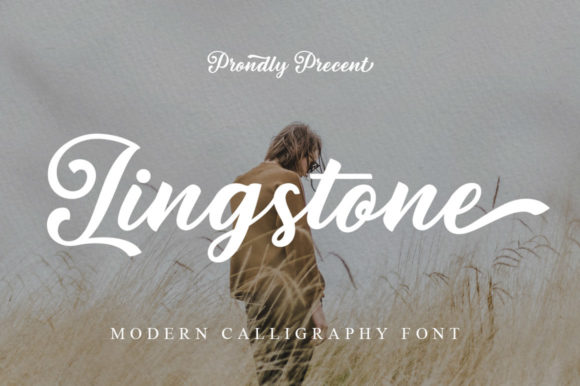
Lingstone is a retro styled script font that captures the essence of handwritten correspondence from a bygone era while maintaining the legibility required for contemporary applications. When you look at invitations such as greeting cards, branding materials, business cards, quotes, posters and more, the difference between a standard template and a custom-tuned design often comes down to the typography. A script like Lingstone bridges the gap between formal professionalism and intimate creativity, making it an invaluable asset for anyone looking to stand out without shouting.
The Evolution of Script Typography in Modern Workflows
Typography trends have always been cyclical, yet the current resurgence of script fonts feels different. In the past, scripts were often relegated to decorative headers or overly ornate wedding invitations. Today, they are being integrated into serious branding and professional communications. This evolution reflects a broader change in user expectations. Audiences, particularly those aged 20 to 50, are increasingly skeptical of mass-produced content. They crave authenticity. They want to see the "hand" behind the brand.
This shift has influenced how creators approach their workflows. The days of relying solely on default system fonts are fading. Professionals and entrepreneurs now understand that a specific typeface can convey a brand's voice before a single word is read. Lingstone fits perfectly into this new paradigm. Its retro aesthetic does not feel dated; rather, it feels timeless. By choosing a font with character, designers signal that they value craftsmanship. This is evident in how the font handles spacing and ligatures, ensuring that even in complex layouts, the text flows naturally.
For marketers and bloggers, this trend offers a practical solution to the problem of homogenization. When every competitor uses the same blocky sans-serif, a well-placed script becomes a visual anchor. It draws the eye and invites the reader to slow down. Lingstone allows businesses to maintain a modern interface while adding a layer of sophistication through strategic use of script elements. It is about balance: using the retro style to create contrast against modern layouts, resulting in a design that feels both fresh and familiar.
Practical Applications for Greeting Cards and Invitations
One of the most immediate and impactful uses for Lingstone is in the realm of stationery and event planning. Whether you are designing a wedding suite, a corporate anniversary invitation, or a simple thank-you note, the font plays a pivotal role in setting the tone. The fluid strokes of the script mimic the natural movement of a calligraphy pen, which adds an emotional weight to the message.
- Invitations: For events where atmosphere matters, Lingstone provides the necessary elegance. It transforms a standard piece of paper into a keepsake.
- Greeting Cards: Holidays and birthdays are occasions for connection. A script font conveys warmth and care that block letters often struggle to achieve.
- Rustic and Vintage Themes: If your project leans towards a vintage or rustic aesthetic, this font aligns seamlessly with imagery of wood, paper textures, and muted color palettes.
The versatility of Lingstone means it works well across various mediums. While it excels on paper, its scalability ensures it looks crisp on digital screens when used for email newsletters or social media graphics. The key is to respect the nature of the font. It should be used to highlight key phrases or titles rather than overwhelming long blocks of body text. This restraint ensures that the retro charm remains effective and readable.
Building Brand Identity with Retro-Modern Hybrids
Brand identity is no longer just about a logo; it is about a consistent visual language across all touchpoints. For small business owners and freelancers, establishing a unique identity can be challenging with limited resources. Here, the strategic application of a font like Lingstone can be a game-changer. It offers a high-impact visual element that can elevate a basic business card or a simple website header.
When applied to branding materials, Lingstone suggests a brand that values tradition but operates with modern efficiency. Imagine a coffee shop menu, a boutique clothing label, or a freelance consultant's portfolio. In these contexts, the font acts as a visual shorthand for quality and attention to detail. It tells the customer, "We put thought into this." This perception of quality can directly influence consumer behavior and brand loyalty.
Furthermore, the integration of script fonts into business cards allows for creative layouts that break the mold of the standard rectangular card. Designers can use Lingstone to create asymmetrical designs or to frame contact information in a way that feels organic. This kind of creativity resonates with audiences who are tired of the corporate uniformity. It signals innovation and a willingness to take risks, traits that are highly valued in today's competitive market.
However, success with these materials requires a keen eye for hierarchy. The retro style must not clash with the functional requirements of the design. The text must remain legible at small sizes, and the color contrast must be sufficient for readability. Lingstone's distinct character helps here, as its unique letterforms can stand out even in monochromatic schemes, provided the weight and size are adjusted correctly.
Enhancing Visual Storytelling with Quotes and Posters
In the world of content creation, whether for educators, influencers, or interior decorators, visual storytelling is paramount. Quotes and posters are powerful tools for engagement, but they rely heavily on typography to deliver their impact. A profound quote set in a generic font might be read and forgotten. The same words set in a flowing, evocative script like Lingstone can become a moment of pause.
This application is particularly relevant for social media platforms where visuals stop the scroll. A poster featuring a motivational quote or a historical fact gains authority and beauty when the typography complements the message. The retro style of Lingstone adds a layer of gravitas, suggesting that the words are worth remembering. It turns a simple image into a piece of art.
Educators and hobbyists also find value in this font for creating engaging learning materials or workshop flyers. The approachable nature of a script font can make educational content feel less intimidating and more inviting. It softens the delivery of information, making complex topics seem more accessible. For example, a workshop flyer for a pottery class or a book club meeting benefits from the handcrafted feel of Lingstone, reinforcing the theme of the event.
Navigating Trends Without Losing Authenticity
As we move forward, the line between digital and physical design continues to blur. Users expect consistency across platforms, yet they also desire variety. The challenge for creators is to adopt trends without losing their authentic voice. Lingstone serves as a tool for navigating this complexity. It allows designers to tap into the nostalgia of the past while adhering to the functional standards of the present.
It is important to note that the effectiveness of any font depends on context. Lingstone is not a one-size-fits-all solution. It shines brightest when used to convey emotion, elegance, or personal connection. Overusing it, or applying it to subjects that require absolute neutrality, can undermine its impact. The goal is to use the font intentionally, ensuring that every instance of Lingstone adds value to the overall design narrative.
Looking ahead, we can expect to see more hybrid styles that blend the precision of digital design with the warmth of analog aesthetics. Fonts that offer this duality will likely become staples in the toolkit of forward-thinking professionals. Lingstone represents this intersection. It is a font that understands the need for speed and clarity while honoring the human desire for beauty and connection.
For the curious reader, the entrepreneur, or the seasoned designer, exploring the capabilities of Lingstone is an exercise in understanding the power of typography. It reminds us that words are not just data points to be processed; they are carriers of feeling. By choosing a retro styled script font that looks very pretty on invitations such as greeting cards, branding materials, business cards, quotes, posters and more, you are making a statement about the quality of your work and the depth of your appreciation for design.
In conclusion, the relevance of Lingstone lies in its ability to adapt to the changing needs of the creative industry. It offers a solution to the problem of visual fatigue, providing a refreshing alternative that feels both classic and contemporary. Whether you are launching a new venture, updating your brand, or simply creating something beautiful for yourself, Lingstone provides the perfect foundation for a design that stands the test of time.