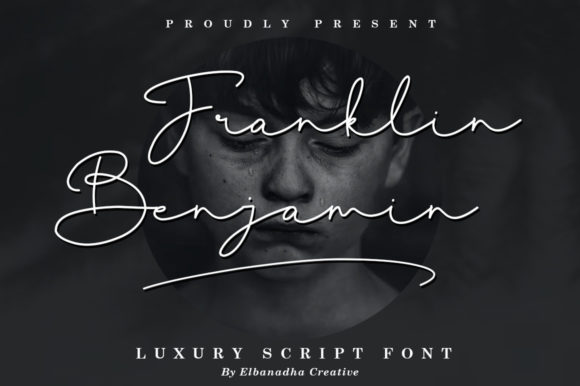
Franklin Benjamin: The Signature Script for Modern Design
In a digital landscape saturated with rigid sans-serifs and overly ornate display typefaces, finding a font that strikes the perfect balance between elegance and usability is a challenge many designers face. Enter Franklin Benjamin, a signature script font that brings simple, stylish, and adaptable vibes to any project. Whether you are crafting a bespoke wedding invitation or refreshing a corporate brand identity, this typeface offers a level of sophistication that feels both timeless and contemporary.
The appeal of Franklin Benjamin lies in its ability to mimic the fluidity of hand-lettering without sacrificing readability. It captures the essence of a confident signature, making it an ideal choice for projects that require a personal touch. Unlike standard scripts that can become illegible when scaled down or used in dense text blocks, this font maintains clarity while delivering high-end aesthetics. Its versatility allows it to transition seamlessly from high-resolution print materials to crisp digital displays, ensuring your message remains impactful across all mediums.
Understanding the Character and Strengths
What sets Franklin Benjamin apart from other script fonts is its inherent simplicity. Many decorative scripts suffer from excessive flourishes that clutter the design and hinder quick reading. In contrast, Franklin Benjamin features clean lines and a natural flow that mimics the movement of a pen on paper. The letterforms are designed to be approachable yet refined, creating a visual rhythm that guides the eye smoothly through the content.
The font's strength is rooted in its adaptability. It works exceptionally well as a focal point, drawing attention to headlines and key messages, but it also possesses enough structural integrity to support body text in specific contexts where a script style is desired. The strokes vary in thickness naturally, adding depth and character that flat, geometric fonts often lack. This organic quality helps humanize brands and communications, fostering a sense of connection with the audience.
Furthermore, the technical implementation of this font is robust. Being PUA encoded means that users have direct access to every glyph, swash, and alternate character without needing complex workarounds or external plugins. This accessibility ensures that designers can easily incorporate ligatures and decorative elements to customize their layouts, enhancing the unique personality of each piece.
Practical Applications Across Industries
The utility of Franklin Benjamin extends far beyond simple decoration. Its broad range of applications makes it a valuable asset for professionals in various fields. For those in the event planning sector, particularly weddings, this font is a go-to solution. Wedding invitations demand a tone of grace and formality, and Franklin Benjamin delivers exactly that. It elevates the perceived value of the stationery, turning a standard invitation into a keepsake that guests are eager to preserve.
- Wedding Invitations: Use the script for names and dates to create an immediate sense of occasion and romance.
- Business Cards: A signature-style font on a business card suggests creativity and personal accountability, distinguishing the professional from the crowd.
- Greeting Cards: Whether for holidays or birthdays, the warm, handwritten feel adds a layer of sincerity that printed text alone cannot achieve.
- Social Media Posts: In a feed dominated by bold graphics, a touch of Franklin Benjamin can break up the monotony and invite engagement through its elegant aesthetic.
- Wall Art: Quotes and typography prints featuring this font add a sophisticated, gallery-like quality to home and office spaces.
- Websites: While rarely used for long paragraphs, it serves perfectly for hero headers, logos, and call-to-action buttons, guiding user attention effectively.
For entrepreneurs and freelancers, branding is everything. A logo designed with Franklin Benjamin conveys a message of artisanal quality and attention to detail. It suggests that the business owner cares about the craft, whether they are selling handmade goods, offering consulting services, or managing a creative agency. The font acts as a silent ambassador for the brand, communicating values of elegance and reliability before a potential client even reads the company name.
Enhancing Communication and User Experience
Effective communication is not just about the words used; it is also about how those words look. Typography plays a crucial role in setting the emotional tone of a message. Franklin Benjamin helps bridge the gap between formal information and personal expression. When used correctly, it reduces the cognitive load required to process a design, allowing the viewer to appreciate the content more quickly.
In educational and publishing contexts, this font can make learning materials more engaging. Textbooks, worksheets, or newsletters that utilize Franklin Benjamin for headings and pull quotes can appear less daunting and more inviting to students or readers. The friendly nature of the script softens the presentation of complex topics, making them feel more accessible.
From a productivity standpoint, the PUA encoding feature saves significant time during the design process. Designers no longer need to manually swap characters or struggle with missing glyphs. Having all swashes and alternates readily available streamlines the workflow, allowing creators to focus on layout and composition rather than technical troubleshooting. This efficiency translates directly into higher quality output delivered in shorter turnaround times.
Considerations for Implementation
While Franklin Benjamin is highly versatile, like any tool, it requires thoughtful application to achieve the best results. One primary consideration is contrast. Because it is a script font, it pairs best with neutral, understated sans-serif or serif typefaces for body copy. Using two scripts together can create visual chaos and reduce readability. The key is to let Franklin Benjamin shine as the star while keeping supporting text simple and legible.
Another factor to consider is spacing. Scripts rely heavily on the relationship between letters to maintain their flow. Tight kerning can cause the strokes to collide, while loose spacing can break the illusion of handwriting. Pay close attention to the white space around the text to ensure it breathes properly. Additionally, when scaling the font for different media, test it at various sizes. While it handles small sizes well compared to other scripts, extremely small text may still lose some of its delicate details.
Finally, always verify the licensing terms before using the font for commercial purposes. Understanding the scope of use ensures that your projects remain compliant and professional. By respecting these guidelines and leveraging the full capabilities of the font's glyph set, you can maximize its impact.
Ultimately, Franklin Benjamin represents more than just a collection of letters; it is a design element that brings warmth, style, and professionalism to your work. Whether you are a seasoned graphic designer looking to expand your toolkit or a business owner wanting to elevate your brand presence, this font offers the flexibility to meet diverse needs. Its simple yet stylish nature ensures that it remains relevant in a constantly changing design world, providing a reliable foundation for creating memorable and effective visual communications.